






Alternative fuels as a driver for future-proof shipping
Global shipping is on the verge of a radical transition. This development calls for well-considered choices in fuels and reliable on-board systems. Marine Service Noord (MSN) has been designing and implementing systems for alternative fuels for many years, thereby actively contributing to future-proof shipping.
We now have extensive experience in designing and building systems for four important alternative fuels: LNG, methanol, hydrogen and ammonia. In this article, we will take you through the characteristics, advantages and disadvantages of these fuels and the types of ships on which they are used.
Regulations and Alternative Design Approval (ADA)
For LNG, the regulations are laid down in the IGF Code, which makes the approval process relatively straightforward. For methanol, hydrogen and ammonia, the regulations are still under development. Designs for these fuels are therefore assessed via the IMO's Alternative Design Approval (ADA) process.
This means that each project must demonstrate that the design offers a certain level of safety. MSN supervises this process from start to finish: from risk assessments and engineering to coordination with classification societies and the flag state.
LNG
LNG is a proven and reliable fuel with existing infrastructure, good energy density and the ability to meet the targets set in the Net Zero Framework for 2030. Marine Service Noord has realised LNG projects for Chemgas, Doeksen and Royal Bodewes, among others. The disadvantage is the relatively high CAPEX due to the use of cryogenic components.

Methanol
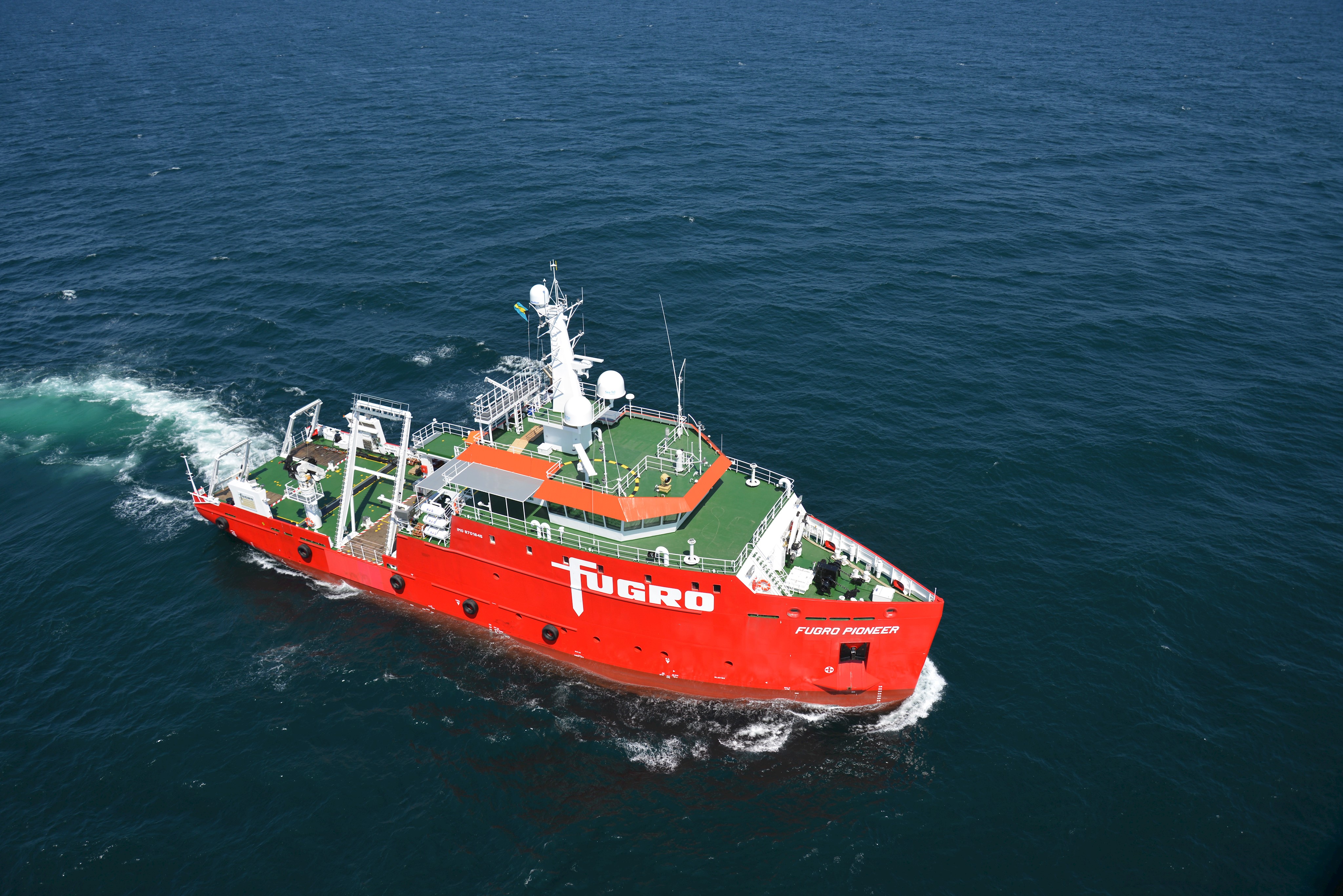
Methanol is easy to handle, available worldwide and has lower investment costs with significant emission reductions; a recent example is the methanol conversion of the research vessel MV Fugro Pioneer for Fugro, which we carried out. The energy density of methanol is lower than gas oil, but higher than hydrogen and ammonia.
Hydrogen
Hydrogen is completely emission-free and offers quiet and low-vibration sailing if you opt for fuel cells instead of a combustion engine, ideal for short distances. MSN collaborated on the NEMO H2 tour boat for Lovers and the FELMAR research project. The disadvantages are low energy density, high fuel costs and limited bunker infrastructure.

Ammonia
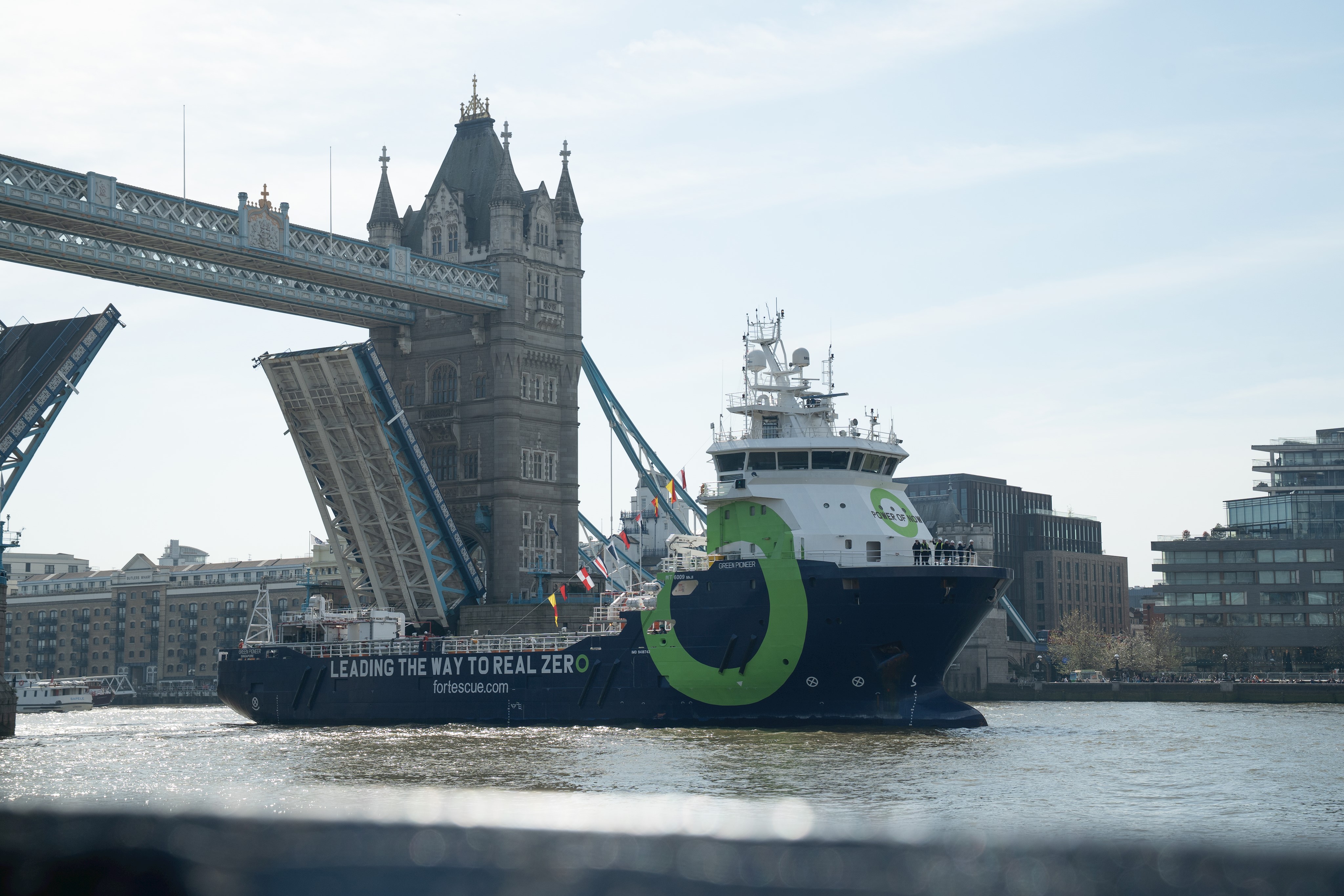
Ammonia is a carbon-free fuel suitable for long distances and large ships; one example is the ammonia fuel system we designed and built for Fortescue's Green Pioneer, nominated for the Maritime Innovation Award 2025. Disadvantages include toxicity, safety complexity and the risk of nitrous oxide formation during incomplete combustion.
Building tomorrow's shipping industry together
The choice of an alternative fuel is tailor-made and depends on various factors, such as the sailing area, the type of ship, the operational profile and the applicable regulations. For shipowners, it is also important that the use of a different fuel results in comparable CAPEX and OPEX costs.
Marine Service Noord combines years of practical experience with in-depth technical knowledge to make the right choices together with its customers. In this way, we are building tomorrow's shipping industry today: safe, innovative and future-proof.